


Big Wheel Rough Terrain Navigator
Reviews
Big Wheel Rough Terrain Navigator stands out for its focus on vehicle physics and course design. The gradual difficulty curve ensures that players build skills naturally, while the varied terrain keeps each track feeling fresh. The absence of timers or pressure allows for a relaxed yet engaging experience. This game is ideal for those who enjoy puzzle-like navigation challenges combined with driving mechanics.
About This Game
Course Layout and Environment
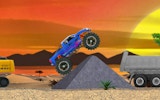
Each track in Big Wheel Rough Terrain Navigator is designed with a distinct set of geographical features. Players encounter steep ascents, sudden drops, and sharp bends that demand constant attention. The terrain varies from loose gravel to packed dirt, affecting traction and vehicle response. Courses become progressively more intricate, introducing tighter passages and more abrupt elevation changes that require thoughtful route planning.
Vehicle Handling and Physics
The large-wheeled vehicle responds to every input with noticeable weight and momentum. Acceleration, braking, and steering must be applied with consideration for the vehicle's size and the surface conditions. Overly aggressive driving can lead to loss of control, while overly cautious movement may result in getting stuck on obstacles. Finding the right balance between forward motion and stability is essential for completing each course efficiently.
Progression and Difficulty Curve
Early tracks serve as a training ground for understanding vehicle dynamics and basic navigation. As players advance, courses introduce tighter corners and more complex obstacle arrangements that test the skills developed on simpler stages. The difficulty increases gradually, ensuring that each new challenge feels achievable after mastering previous techniques. This structure encourages repeated attempts and gradual improvement.
Visual and Audio Atmosphere
The game presents a rugged outdoor environment with detailed textures that convey the roughness of the terrain. Visual cues such as dust clouds and tire marks provide feedback on vehicle movement and surface interaction. The audio design includes engine sounds that change with acceleration and terrain contact, adding to the sense of immersion without overwhelming the player.
Strategic Navigation Tips
Success in Big Wheel Rough Terrain Navigator depends on reading the track ahead and adjusting speed before reaching difficult sections. Slowing down before sharp turns reduces the risk of tipping, while maintaining momentum on uphill sections prevents stalling. Observing the terrain texture can help predict traction changes. Practicing on earlier courses builds the muscle memory needed for more demanding layouts.

Comments
0 comments