

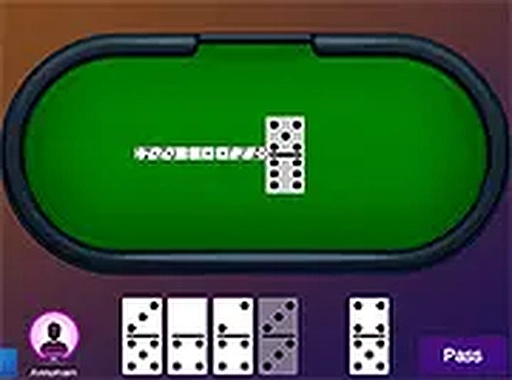
Four-Player Tile Placement Challenge
Reviews
This browser-based tile game succeeds by keeping rules simple while offering genuine tactical choices. The four-player dynamic forces you to consider not just your own hand but what opponents might be holding. The option to pass rather than draw is a clever mechanic that rewards patience. Computer opponents play competently, providing a solid challenge without feeling unfair. The global leaderboard gives long-term motivation to improve. For anyone who enjoys turn-based board games with a focus on pattern recognition and forward planning, this is a worthwhile free option.
About This Game
Core Objective and Round Structure
At the beginning of each round, all four participants receive a set of tiles. The goal is to be the first to place every tile from your hand onto the central board. Play proceeds in turns, with each person adding one tile at a time. A tile can only be placed if one of its ends matches an open end already on the board. When a player empties their hand, the round ends immediately. Points are then calculated based on the total value of tiles still held by the other three players. Over multiple rounds, the competitor with the highest cumulative score rises to the top of the leaderboard.
Turn Management and Passing Options
If you cannot make a match on your turn, you have two choices. You can draw a tile from the remaining supply, which adds to your hand but may give you new matching opportunities. Alternatively, you may choose to pass, which skips your turn without adding any tiles. Passing can be a strategic move when you want to avoid collecting tiles that are difficult to place later. The decision to draw or pass depends on your current hand composition and your read of the board state. Skilled players use this choice to maintain control over their tile count while waiting for favorable openings.
Strategic Depth and Opponent Observation
Winning consistently requires more than just matching tiles. You must watch which tiles other players place and which ends they leave open. This information can reveal what tiles they might be holding. Keeping versatile tiles in your hand that can match multiple board ends gives you flexibility. Blocking opponents by closing off ends they need is another effective tactic. The turn-based format gives you time to think through each move, but the board changes with every play, so you must adapt your plan continuously. Over time, recognizing common patterns and predicting opponent behavior becomes a key skill.
Accessibility and Platform Features
The game runs entirely in your browser with no downloads or installations required. Its clean interface makes it easy to see your tiles, the board, and the scores of all players at a glance. The computer-controlled opponents provide a consistent challenge, making the game suitable for both quick sessions and extended play. Because the content is family-friendly, players of all ages can enjoy it. A global leaderboard adds a competitive element, letting you compare your performance with others who play the same game. The combination of simple rules and layered strategy makes this tile placement game appealing to newcomers and experienced tacticians alike.


Comments
0 comments