


Shield Runner: Puzzle Defense
Reviews
Shield Runner: Puzzle Defense stands out for its relaxing yet engaging gameplay. The tool system adds meaningful choices without overwhelming the player. The gradual difficulty curve ensures that newcomers can learn at their own pace while veterans find plenty of challenge. The clean visuals and gentle audio make it a pleasant experience for all ages.
About This Game
Core Gameplay Loop
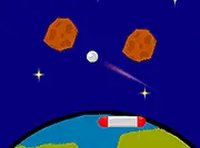
At its heart, this is a game about positioning and timing. A small shield moves along the bottom of the screen, and players must guide it to intercept objects falling from above. Each object behaves differently—some drop straight down, others drift side to side, and a few speed up as they near the bottom. The challenge lies in reading these patterns and deciding where to place the shield next. There is no combat or destruction; instead, the focus is on anticipation and gentle redirection. Success comes from calm observation rather than quick reflexes.
Tool Selection & Strategy
Players have access to a set of special items that can be used to alter the course of falling objects. One item might slow down a fast-moving piece, while another can push an object sideways to a safer path. A third item might temporarily create a larger shield area. Each item has a limited number of uses per round, so players must decide when to deploy them. Using an item too early might leave the player without options later, while waiting too long can lead to a breach. This resource management layer adds depth without complicating the controls.
Visual Style & Atmosphere
The game uses bright, clean graphics with soft colors and simple shapes. Objects are clearly defined against a light background, making it easy to track multiple falling items at once. The shield itself is a friendly, rounded shape that moves smoothly. There are no dark themes, scary sounds, or intense music. Instead, the audio is light and encouraging, with gentle tones for successful blocks and a soft chime when a new round begins. This visual and audio design keeps the experience relaxing even as the difficulty increases.
Progression & Difficulty Curve
New players start with simple rounds where only a few objects fall at a steady pace. As the player advances, the number of objects increases, their speeds vary more, and new object types are introduced. The game does not rely on sudden difficulty spikes; instead, it gradually adds complexity so players can build their skills naturally. Each round feels like a new puzzle rather than a test of endurance. The scoring system rewards efficiency—using fewer items and blocking objects closer to the top yields higher points.
Session Design & Replayability
Rounds are designed to be short, typically lasting one to two minutes. This makes the game ideal for quick play sessions during a break or while waiting. There is no story mode or campaign; the focus is purely on the puzzle-like challenge of each round. Players can replay any round to improve their score or try different strategies. The endless mode continues until the player fails, offering a way to test how long they can maintain focus. The variety of object patterns ensures that no two rounds feel exactly the same.









Comments
0 comments