John Conway's Game of Life is a captivating zero-player simulation that offers endless exploration. Its simple rules create complex, beautiful patterns that evolve over time. Whether you're a math enthusiast or just looking for a relaxing activity, this game provides a unique and engaging experience. It's a must-try for anyone interested in emergent behavior.
Game Introduction:
John Conway's Game of Life is a fascinating cellular automaton simulation that has captivated minds since the 1970s. It's not a traditional game with players or scores but a zero-player simulation where you set the initial state and watch cells evolve over generations. The game operates on a grid of cells, each either alive or dead. With just four rules—underpopulation, survival, overpopulation, and reproduction—complex patterns emerge, from simple blocks to gliders and oscillators. This simulation is Turing complete, meaning it can simulate computers and advanced logic. It's a perfect blend of math, science, and art, offering endless exploration for curious minds.
How to Play:
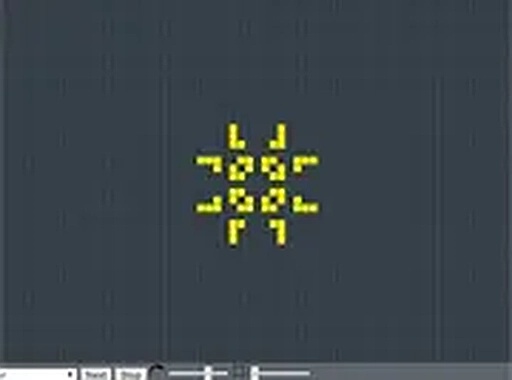
To play John Conway's Game of Life, start by placing live cells on the grid using your mouse. You can click to toggle cells between alive and dead. Once you've set your initial pattern, press the start button to begin the simulation. The game will automatically apply the four rules to each generation: any live cell with fewer than two live neighbors dies, any live cell with two or three live neighbors survives, any live cell with more than three live neighbors dies, and any dead cell with exactly three live neighbors becomes alive. You can pause, step through generations, or clear the grid to start fresh. Experiment with different patterns to see how they evolve over time.
Game Features:
Classic cellular automaton simulation with simple rules and complex emergent behavior.
Game Conclusion:
John Conway's Game of Life is a timeless simulation that combines simplicity with depth, offering endless patterns and discoveries. It's perfect for anyone interested in math, science, or creative exploration.

Leave a Comment